Taruhan $40 miliar SoftBank pada OpenAI kini menjadi ujian terbesar bagi perangkat lunak manajemen pinjaman
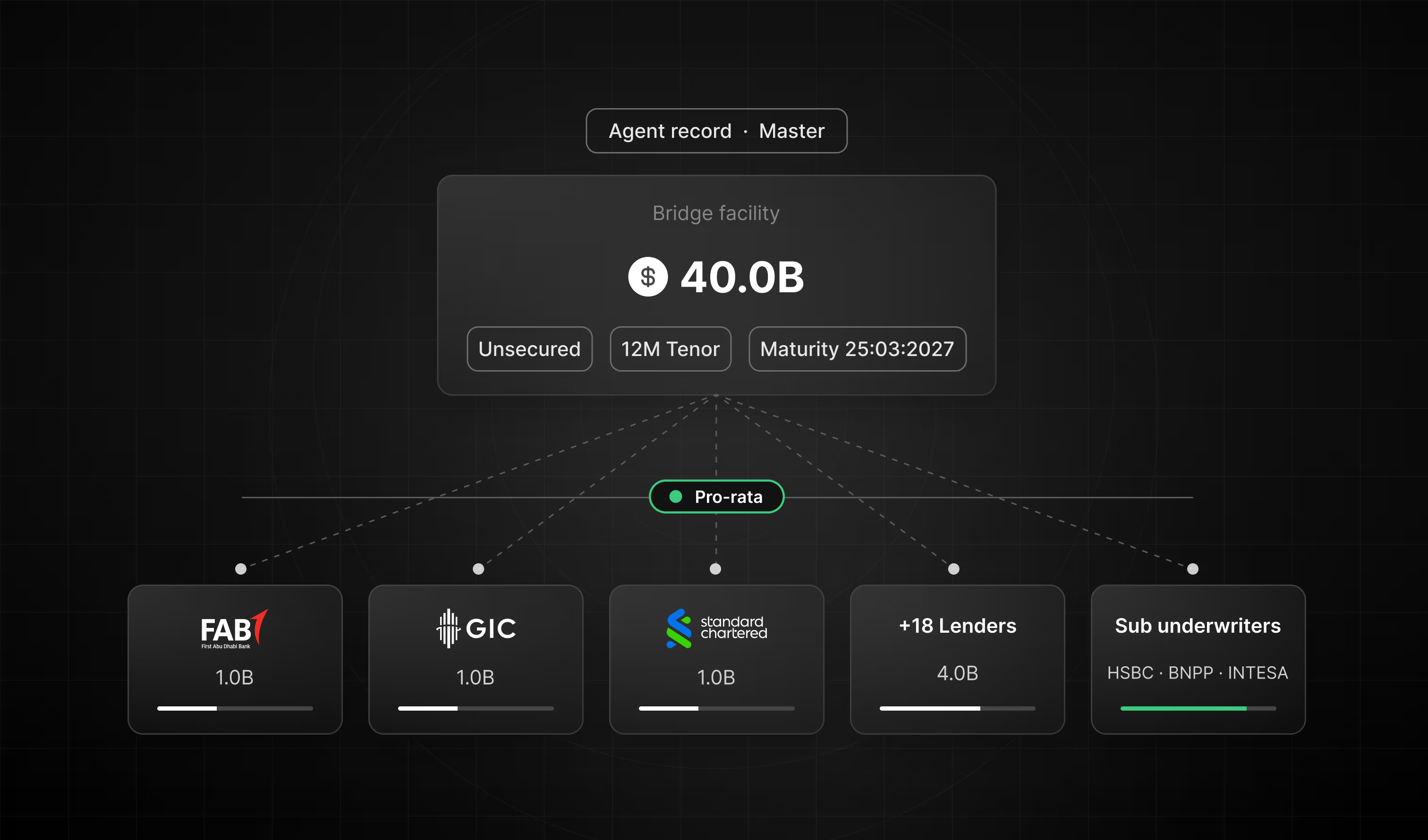
Pada hari Senin, Bloomberg melaporkan bahwa 21 pemberi pinjaman baru telah bergabung dalam pinjaman talangan (bridge loan) SoftBank senilai USD 40 miliar, fasilitas yang mendanai kepemilikannya di OpenAI. Secara kolektif, kelompok baru ini telah mengambil sekitar USD 7 miliar dari pinjaman tersebut; First Abu Dhabi Bank, GIC, dan Standard Chartered masing-masing mengambil hampir USD 1 miliar. Pembiayaan ini telah tertutup sejak Maret. Namun, kisah operasional di baliknya belum: lebih dari tiga puluh institusi kini memiliki bagian dari satu pinjaman, dan setiap bagian harus dibukukan, dilayani, dan direkonsiliasi dalam perangkat lunak manajemen pinjaman hingga fasilitas tersebut jatuh tempo pada 25 Maret 2027.
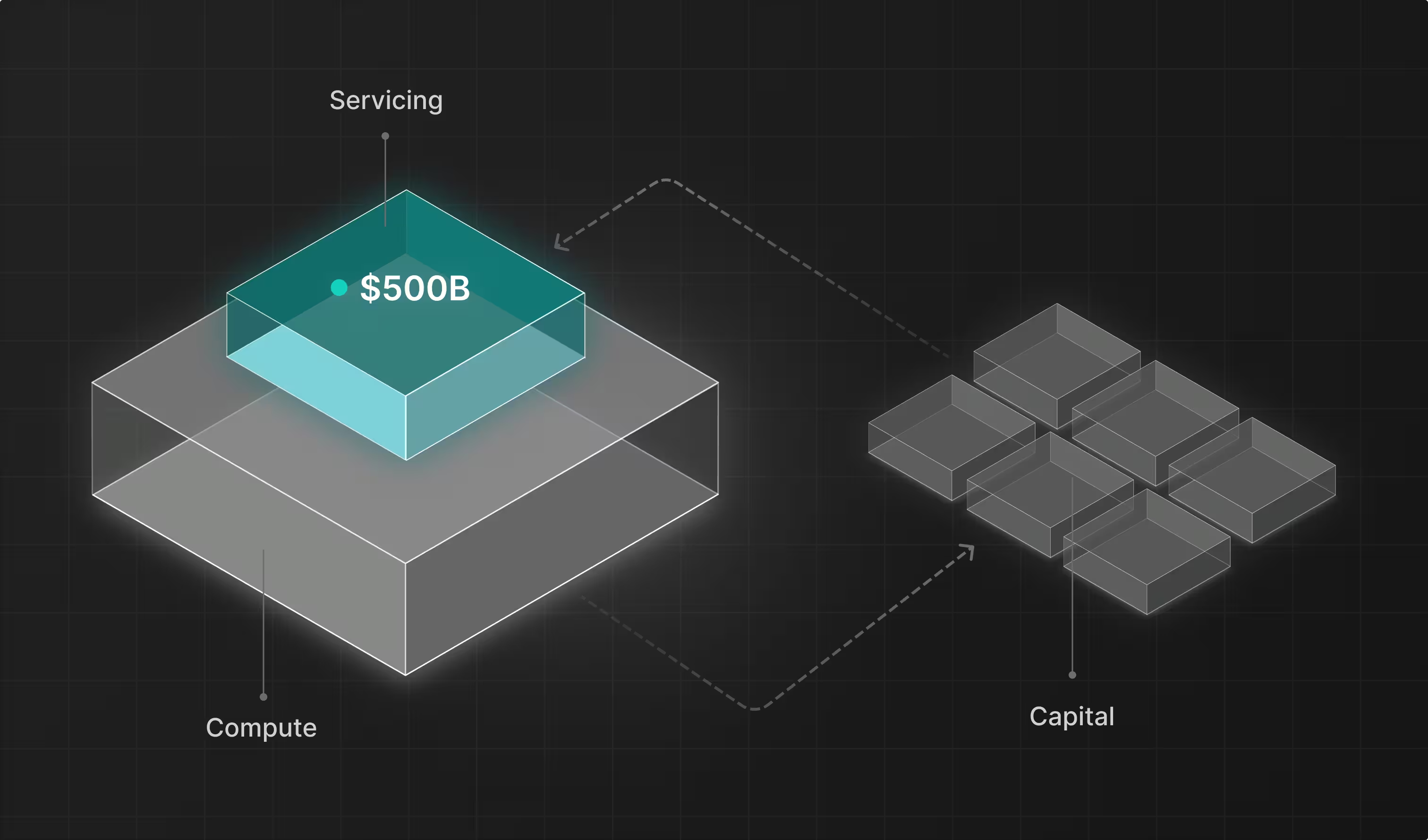
Mengapa pinjaman disusun seperti ini? Tidak ada satu bank pun yang ingin menanggung eksposur USD 40 miliar kepada satu peminjam sendirian, sehingga pinjaman tersebut disindikasi: sekelompok pemberi pinjaman masing-masing mengambil porsi, berbagi risiko dan pendapatan bunga. SoftBank menandatangani fasilitas tersebut pada 27 Maret sebagai pinjaman talangan tanpa jaminan berjangka 12 bulan, pembiayaan jangka pendek yang dimaksudkan untuk dilunasi dari keuntungan masa depan, dalam hal ini adalah rencana pencatatan saham OpenAI di bursa efek. JPMorgan Chase, Goldman Sachs, Mizuho, Sumitomo Mitsui, dan MUFG menjadi penjamin emisi, yang berarti mereka menjamin jumlah penuh di muka dengan rencana untuk menjual bagian-bagiannya. Pada bulan April, HSBC, BNP Paribas, dan Intesa Sanpaolo bergabung sebagai sub-penjamin emisi, masing-masing berkomitmen sekitar USD 5 miliar. 21 nama yang muncul pada hari Senin adalah lingkaran berikutnya: alokasi yang lebih kecil, tersebar di kelompok yang jauh lebih luas.
Mengapa pinjaman sindikasi menjadi ujian bagi perangkat lunak manajemen pinjaman
Inilah yang sebenarnya disepakati oleh lebih dari tiga puluh institusi tersebut. Salah satu dari mereka bertindak sebagai bank agen, yang menyimpan catatan utama pinjaman: jumlah total, bagian setiap pemberi pinjaman, berapa banyak yang telah ditarik, dan berapa banyak bunga yang telah terakumulasi. Ketika SoftBank melakukan pembayaran bunga, agen membaginya ke seluruh sindikasi secara proporsional sesuai dengan bagian masing-masing pemberi pinjaman pada hari itu. Katakanlah pembayarannya sebesar USD 600 juta dan seorang pemberi pinjaman memegang 2,5% dari fasilitas tersebut; bagiannya adalah USD 15 juta, dihitung hingga sen terkecil, pada hari yang sama dengan yang lain.
Bagian-bagian tersebut juga dapat berpindah. Pemberi pinjaman dapat menjual bagian pinjaman mereka ke institusi lain, dan dalam kesepakatan sebesar ini, beberapa akan melakukannya. Setiap penjualan mengubah perhitungan untuk setiap pembayaran berikutnya. Sementara itu, setiap pemberi pinjaman menyimpan salinan posisinya sendiri dalam perangkat lunak layanan pinjaman mereka sendiri: membukukan bagian tersebut sebagai aset, mengakru bunga setiap hari, memeriksa angkanya terhadap laporan agen, dan melaporkan eksposur kepada regulatornya. Itu berarti ada tiga puluh lebih salinan paralel dari pinjaman yang sama, yang disimpan dalam sistem yang berbeda, pada pinjaman yang kepemilikannya terus berubah. Di sinilah masalah terjadi. Catatan agen menunjukkan angka tertentu, pembukuan pemberi pinjaman menunjukkan angka lain, dan tim operasional menghabiskan waktu seminggu untuk mencari transaksi yang menyebabkan selisih tersebut.
Tekanan yang sebenarnya muncul jika persyaratan harus diubah. Pada 26 Juni, New York Times melaporkan bahwa OpenAI cenderung menunda pencatatan sahamnya hingga 2027. Saham SoftBank turun lebih dari 12% pada hari itu, karena pinjaman tersebut jatuh tempo pada Maret 2027 dan pencatatan saham dianggap sebagai sumber pelunasan. Jika SoftBank harus memperpanjang atau melakukan pembiayaan kembali, setiap pemberi pinjaman harus memberikan persetujuan, setiap persetujuan harus dicatat, biaya amandemen harus dihitung dan dibayarkan, dan bagian setiap pemberi pinjaman dalam kesepakatan yang direvisi harus dihitung ulang. Sindikasi lima pihak mungkin menyelesaikannya melalui panggilan telepon. Sindikasi tiga puluh pihak lebih membutuhkan catatan pinjaman itu sendiri untuk menjalankan alur kerjanya.
Apa yang dilakukan perangkat lunak manajemen pinjaman yang baik dengan semua ini
Mulailah dengan catatannya. Perangkat lunak manajemen pinjaman yang baik menyimpan satu versi pinjaman yang dibaca dan ditulis oleh setiap alur kerja: originasi, penarikan, akrual bunga, pelunasan, transfer, dan amandemen. Para partisipan, bagian mereka, dan riwayat pembayaran mereka tersimpan di dalam catatan pinjaman itu sendiri. Ketika seorang pemberi pinjaman menjual sebagian dari bagiannya, sistem menetapkan ulang bagian tersebut, menerapkannya pada setiap perhitungan sejak tanggal tersebut, dan menjaga riwayat kepemilikan penuh tetap utuh untuk audit.
Kemudian aritmatikanya. Sistem mengakru bunga setiap hari di tingkat fasilitas dan mengalokasikannya ke setiap partisipan secara otomatis, sehingga pembayaran USD 600 juta masuk sebagai tiga puluh lebih postingan yang benar tanpa perlu membuka kalkulator. Air terjun pelunasan (urutan yang disepakati di mana uang diterapkan: biaya terlebih dahulu, lalu bunga, kemudian pokok) dikonfigurasi sekali dan diterapkan secara konsisten. Penjadwalan ulang, pelunasan sebagian, dan penghapusbukuan memperbarui posisi setiap partisipan dalam satu gerakan yang sama.
Dan alur kerjanya. Amandemen menjadi proses yang terstruktur: sistem melacak pemberi pinjaman mana yang telah setuju, menghitung biaya amandemen masing-masing, dan menerapkan persyaratan yang direvisi di setiap posisi pada tanggal efektif. Pelaporan regulasi berasal dari catatan yang sama, sehingga laporan eksposur pemberi pinjaman dan pernyataan agen tidak mungkin berbeda; mereka membaca angka yang sama.
Inilah arti siap-sindikasi dalam platform pinjaman digital, dan inilah standar yang perangkat lunak manajemen pinjaman harus dipenuhi, baik fasilitasnya bernilai USD 40 miliar maupun 40 juta. Kesepakatan klub lima pemberi pinjaman untuk peminjam pasar menengah memiliki bagian bergerak yang sama dengan pinjaman talangan SoftBank: catatan agen, pembagian proporsional, transfer, dan amandemen sesekali. Denominasi yang lebih kecil, mekanisme yang identik, duduk berdampingan dengan pinjaman bilateral biasa (satu pemberi pinjaman, satu peminjam) di buku yang sama.
SoftBank memiliki waktu delapan bulan. Baik fasilitas tersebut dilunasi, dibiayai kembali, atau diperpanjang, peristiwa tersebut akan tiba sebagai satu instruksi dari peminjam dan tiga puluh lebih postingan di sisi lain, yang masing-masing harus cocok dengan catatan agen hingga sen terkecil. Pemberi pinjaman yang bergabung minggu ini mengambil pandangan terhadap kredit SoftBank. Tim operasional mereka tetap harus melakukan pencatatan tersebut.