هل ستتم خدمة الـ 500 مليار دولار القادمة في مجال الذكاء الاصطناعي باستخدام برنامج Excel؟
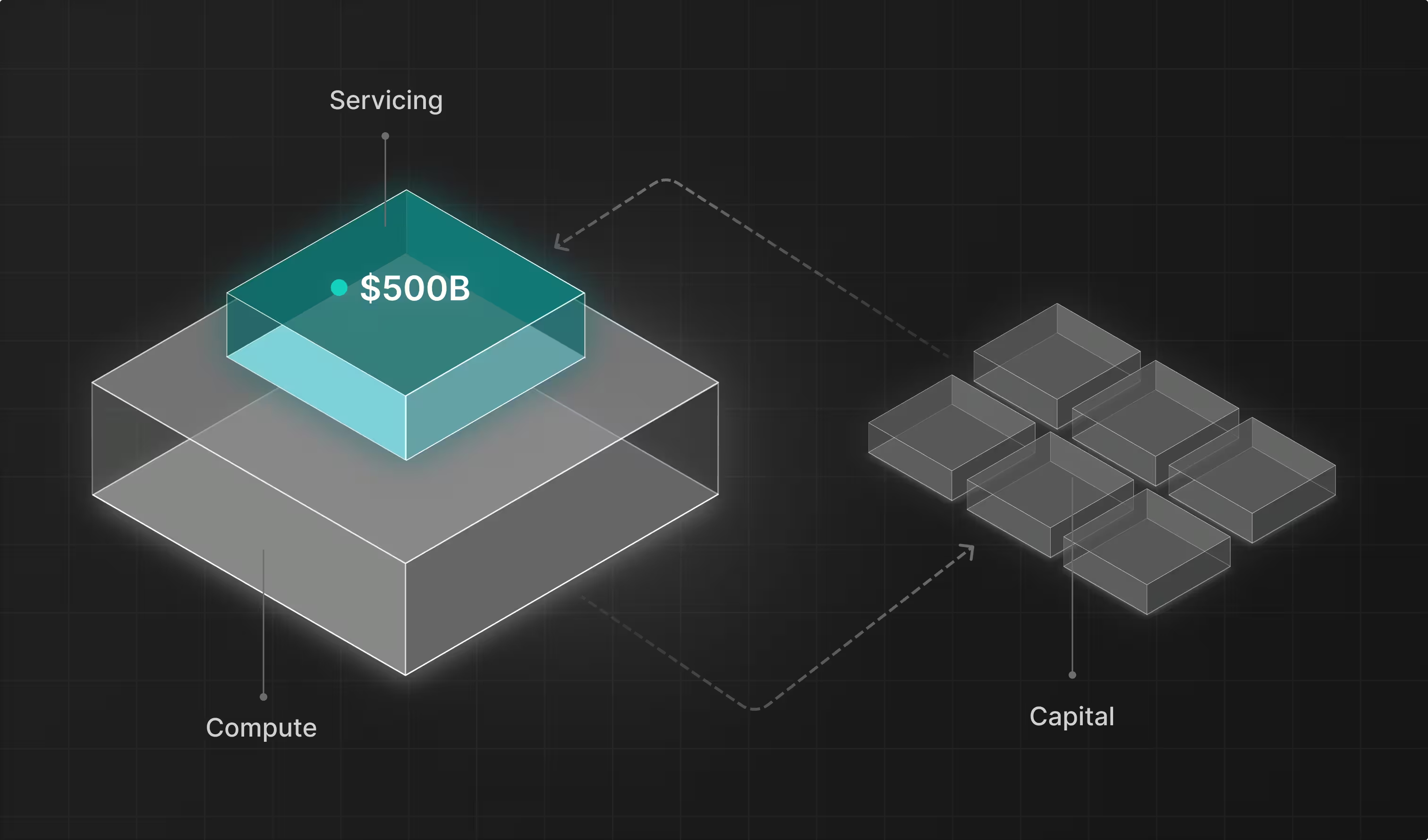
في 10 أغسطس، أعلنت شركة NVIDIA عن توقيع مذكرات تفاهم مع كل من Apollo وBlackRock وBlackstone وBrookfield وGoldman Sachs وKKR لإنشاء منصات مستقلة لتمويل الحوسبة، بهدف حشد أكثر من 500 مليار دولار أمريكي من رؤوس أموال خارجية لدعم البنية التحتية للذكاء الاصطناعي. كُتب هذا البيان بأسلوب موجه لأسواق المال، لذا فهو يبدو كإعلان عن فئة أصول جديدة، لكن الآلية الكامنة وراءه تقليدية للغاية؛ حيث يقوم طرف آخر غير المشغل بتمويل الأجهزة، ويدفع المشغل مقابل الوصول إليها، وتُستخدم تلك المدفوعات لسداد التمويل. هذا يجعلها قرضاً، وبرمجيات إدارة القروض هي التي تحدد ما إذا كان من الممكن إدارة محفظة من هذه القروض بهذا الحجم.
تمحورت رؤية جينسن هوانغ في البيان حول أن الحوسبة في مجال الذكاء الاصطناعي تعادل الإيرادات، ومن هذا المنطلق جاء التمويل. فإذا كانت مجموعة من الرقائق تنتج تدفقاً نقدياً مقاساً ومتعاقداً عليه، فيمكنها تحمل الديون تماماً كما تفعل الطرق المدفوعة أو سفن الحاويات.
كيف يبدو الإقراض بضمان آلة
تعمل شركات الطيران بهذا الأسلوب منذ خمسين عاماً؛ إذ نادراً ما تشتري شركات الطيران أساطيلها بالكامل. بدلاً من ذلك، يقوم مؤجر أو مجموعة من المقرضين بتوفير الأموال، مع الاحتفاظ بحق المطالبة بهيكل الطائرة، ويتم سدادهم من العوائد التي تحققها الطائرة عبر مسارات رحلاتها. وتخضع معدات التعدين، وعربات السكك الحديدية، وحاويات الشحن لنفس المنطق. وما وافق عليه مديرو الأصول الستة هو تطبيق هذا النموذج على وحدات معالجة الرسومات.
حدث الاختبار الحقيقي الأول لذلك بالفعل. ففي أغسطس 2023، جمعت شركة CoreWeave مبلغ 2.3 مليار دولار أمريكي في تسهيلات ائتمانية بقيادة Magnetar Capital وBlackstone، بضمان رقائق NVIDIA H100. في ذلك الوقت، ذكرت وكالة رويترز أن استخدام الرقائق كضمان أمر غير معتاد، وكانت تلك أول تسهيلات بهذا الحجم مدعومة بأجهزة الذكاء الاصطناعي. وبعد تسعة أشهر، وقعت الشركة تسهيلات ثانية بقيمة 7.5 مليار دولار أمريكي بقيادة Blackstone ومشاركة Magnetar كقائد مشارك، بضمان وحدات معالجة الرسومات وعقود العملاء معاً، مقسمة إلى شرائح ذات تصنيف استثماري وأخرى مضاربية بمتوسط سعر فائدة متغير يبلغ حوالي 11%، مع بدء السداد في يناير 2026. وبحلول أوائل عام 2026، تجاوز إجمالي ديون CoreWeave حاجز 21 مليار دولار أمريكي.
يأخذ إعلان NVIDIA هذا النموذج ويضفي عليه طابعاً مؤسسياً. ستة مديرين، ومحافظ رأس مال مخصصة، ونية معلنة لجعل هذا الهيكل قابلاً للتكرار عبر مختبرات التقنيات المتقدمة والشركات وسحب الذكاء الاصطناعي، بدلاً من التفاوض على كل صفقة على حدة.
لم تُصمم برمجيات إدارة القروض لضمانات تدر دخلاً
تتطلب خدمة الرهن العقاري تشغيل جدول استهلاك ثابت مقابل أصل تتغير قيمته ببطء. أما التسهيلات المدعومة بالحوسبة فتتطلب أربعة أمور تخرج عن هذا النمط.
تدفق السداد مقاس بالاستخدام. يشير وصف NVIDIA للمنصات إلى إيرادات طويلة الأجل مرتبطة بالاستخدام، مما يعني أن النقد المتاح لسداد الدين يعتمد على مدى كثافة تأجير المجموعة في فترة معينة. لذا، يجب أن يقوم جدول الاستهلاك الذي يتغير مع معدل الاستخدام بجلب تلك البيانات، ومطابقتها مع فواتير المشغل، وإعادة الحساب.
تتغير قيمة الضمان وفقاً لدورة الأجهزة. إذ يصل جيل جديد كل ثمانية عشر إلى أربعة وعشرين شهراً، مما يعيد ضبط قيمة إعادة البيع للأسطول الذي يضمن القرض. وبذلك، يصبح تتبع الضمان رقماً شهرياً مرتبطاً بمنحنى انخفاض القيمة، بدلاً من كونه تقييماً يتم تقديمه مرة واحدة في السنة.
تشكل العقود جزءاً من الضمان. فقد تعهدت تسهيلات CoreWeave لعام 2024 باتفاقيات شراء العملاء إلى جانب الرقائق، مما يضع حالة العقود مع أطراف خارجية ضمن مركز ضمانات المقرض.
نادراً ما يكون المقرض طرفاً واحداً. فوجود ست منصات، تجمع كل منها الأموال من مستثمريها، يؤدي إلى إقراض مشترك بحجم كبير: نسب المشاركة، استحقاقات الرسوم، توزيع الإخطارات، تصويتات التعديل، وتخصيص السداد بين المشاركين الذين يحتاج كل منهم إلى مركز يتوافق مع الآخرين.
أي من هذه الأمور يمثل مشكلة بيانات قبل أن يكون مشكلة ائتمانية.
السوق يدير هذا الأمر باستخدام جداول البيانات
أطلقت S&P Global منتجين في مارس 2026، وهما DataXchange وAmendX، وكلاهما يستهدف وكلاء القروض. وكان السبب المعلن هو أن أسواق الإقراض والائتمان الخاص نمت بشكل هائل بينما لا يزال الوكلاء يديرون صفقات بمليارات الدولارات باستخدام Excel والبريد الإلكتروني. وقد لاحظت S&P Global Market Intelligence في وقت سابق من العام أن محافظ الائتمان الخاص لا تزال تُدار في الغالب عبر جداول البيانات، مع الاحتفاظ ببيانات إعادة ضبط الأسعار، والسداد، والرسوم، والتعديلات في صيغ غير متسقة.
حجم العمل القادم لا ينتظر إصلاح هذه المشكلات. تتوقع JPMorgan إصدارات سنوية لتوريق مراكز البيانات تتراوح بين 30 إلى 40 مليار دولار أمريكي عبر الأوراق المالية المدعومة بالرهن العقاري التجاري (CMBS) والأوراق المالية المدعومة بالأصول (ABS) في الولايات المتحدة خلال عامي 2026 و2027، ارتفاعاً من حوالي 27 مليار دولار في عام 2025. وقد ارتفع الائتمان الخاص القائم للشركات المرتبطة بالذكاء الاصطناعي من لا شيء تقريباً إلى أكثر من 200 مليار دولار أمريكي، مع نشوء أكثر من 40 مليار دولار في عام 2025 وحده. وتشير إحدى التوقعات إلى أن إصدارات الديون العالمية المرتبطة بالذكاء الاصطناعي ستقترب من 570 مليار دولار في عام 2026، تم تسعير 236 مليار دولار منها بحلول 31 مايو، وهو أربعة أضعاف وتيرة العام السابق. وتتربع منصات NVIDIA على قمة كل ذلك.
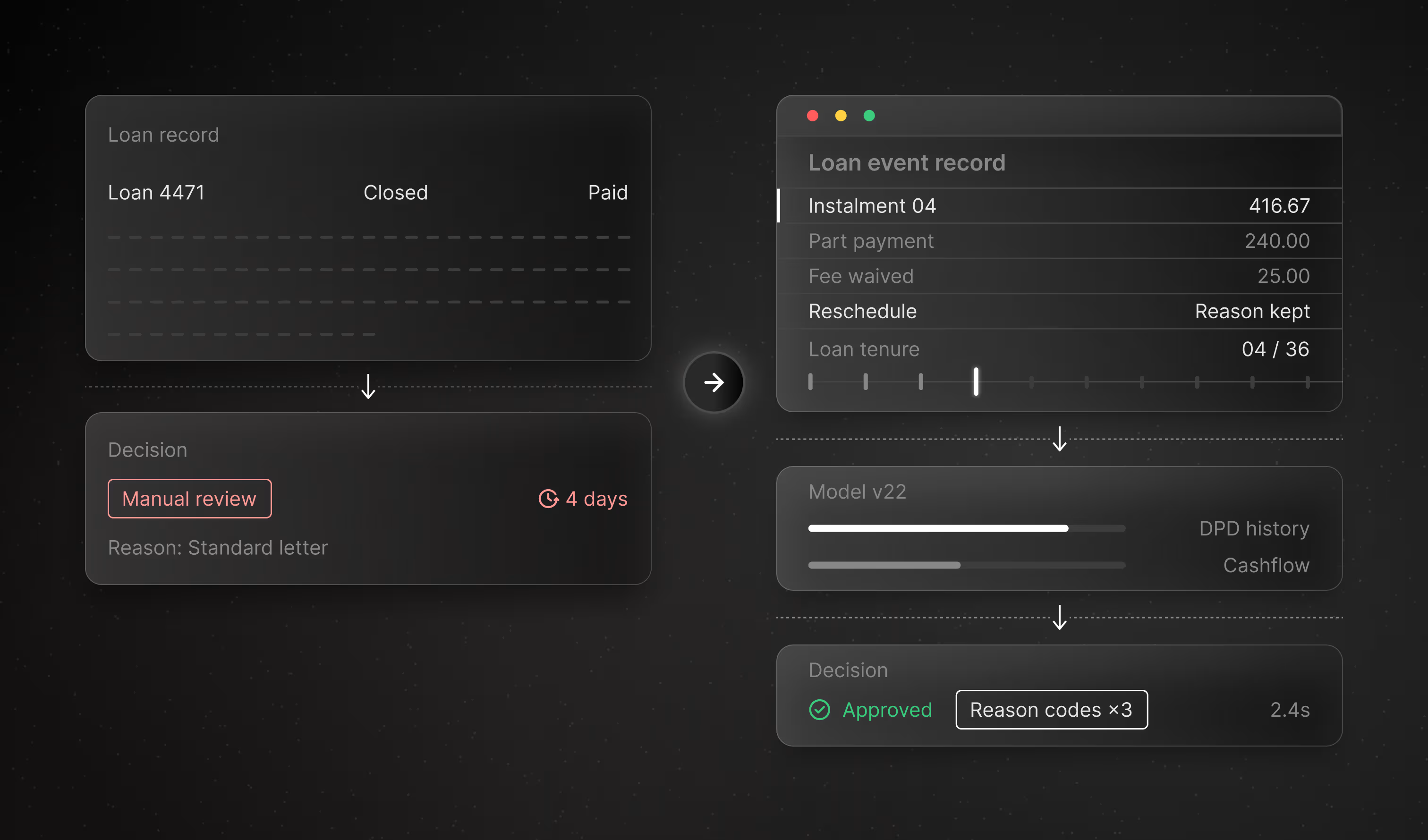
المؤسسات التي ينتهي بها المطاف بحيازة هذه الأوراق المالية هي البنوك وشركات التأمين وصناديق التقاعد وأذرع الائتمان للمديرين المذكورين في البيان. وسؤالهم محدد: هل يمكن لبرمجيات خدمة القروض التي يستخدمونها اليوم إنتاج مركز على مستوى المشاركين لتسهيلات يتحرك سدادها مع استخدام وحدات معالجة الرسومات، وتتغير قيمة ضماناتها ربع سنوي، ويعيش تاريخ تعديلاتها في صندوق الوارد؟ عندما تكون الإجابة هي فريق تسوية وجدول بيانات مشترك، فإن التكلفة تظهر لاحقاً في شكل إعادة بيانات، وحسابات رسوم متنازع عليها، ونتائج تدقيق.
يساهم تعيين موظفين جدد في استيعاب جزء من هذا العبء، وستقوم العديد من المؤسسات بالتوظيف. ومع ذلك، يتراكم العمل لأن مركز مدير الصندوق يجب أن يتطابق مع مركز الوكيل، ومركز الوكيل يجب أن يتطابق مع قياسات المشغل، ويحتاج المدقق إلى تطابق الثلاثة جميعاً في تاريخ سابق. إن إدارة التسهيلات بالكامل في نظام واحد يلغي الحاجة إلى هذه المطابقة، ولهذا السبب برمجيات إدارة القروض أصبحت مسألة شراء ملحة لأي جهة تخطط لمنح ائتمان مدعوم بقدرات الحوسبة.
لا تزال الشراكات خاضعة للاتفاقيات النهائية، مما يترك نافذة زمنية قصيرة لاختيار الأنظمة التي ستتولى إدارتها.