سوق التوقعات هو مكان للمراهنة على ما سيحدث مستقبلاً؛ سواء كان ذلك حول قرار البنك المركزي بشأن أسعار الفائدة هذا الشهر، أو هوية الفائز في نهائي كأس العالم، أو سعر النفط في شهر مايو. أنت تشتري عقداً يمنحك مبلغاً ثابتاً إذا كنت على صواب، ولا شيء إذا كنت على خطأ. يتحرك سعر العقد بناءً على ثقة الجمهور، فإذا كان العقد يُتداول بسعر 70 سنتاً، فهذا يعني أن السوق يرى احتمال حدوث النتيجة بنسبة 70% تقريباً. وعند وقوع الحدث، تتم تسوية العقد: يحصل الفائزون على أموالهم، بينما لا يحصل الخاسرون على شيء.
هذا كل ما في الأمر. أما الجانب الذكي، والسبب الذي يجعل الاقتصاديين والصحفيين يهتمون بهذه الأسواق، هو أن هذه الأسعار تتحول إلى توقعات دقيقة إلى حد كبير. فالسوق الذي يسعر حدثاً ما بنسبة 70% غالباً ما يكون أكثر دقة من خبير يرجح حدوثه.
نمَت أسواق التوقعات بسرعة خلال العامين الماضيين. فقد ارتفع إجمالي حجم التداول الشهري من أقل من 5 مليارات دولار أمريكي في سبتمبر 2025 إلى حوالي 24 مليار دولار أمريكي بحلول أبريل 2026. وبحلول شهر يونيو، دفع حدث رياضي كبير ذلك الرقم ليصل إلى 44.8 مليار دولار أمريكي عبر المنصات الرئيسية، وهو قفزة بنسبة 75% في شهر واحد فقط. كما نما عدد الأشخاص الذين يستخدمون هذه الأسواق بالسرعة نفسها؛ حيث تضاعفت الحسابات الفريدة ثلاث مرات تقريباً في الأشهر الستة التي سبقت فبراير 2026، لتصل إلى 840,000 حساب.
ينصب كل الاهتمام تقريباً على التوقعات؛ هل يمكن للسوق حقاً التنبؤ بالانتخابات بشكل أفضل من استطلاعات الرأي؟ لكن السؤال الأكثر عملية يتم تجاهله: أين تذهب الأموال بينما السوق مفتوح؟
سوق التوقعات هو عمل قائم على الإيداعات
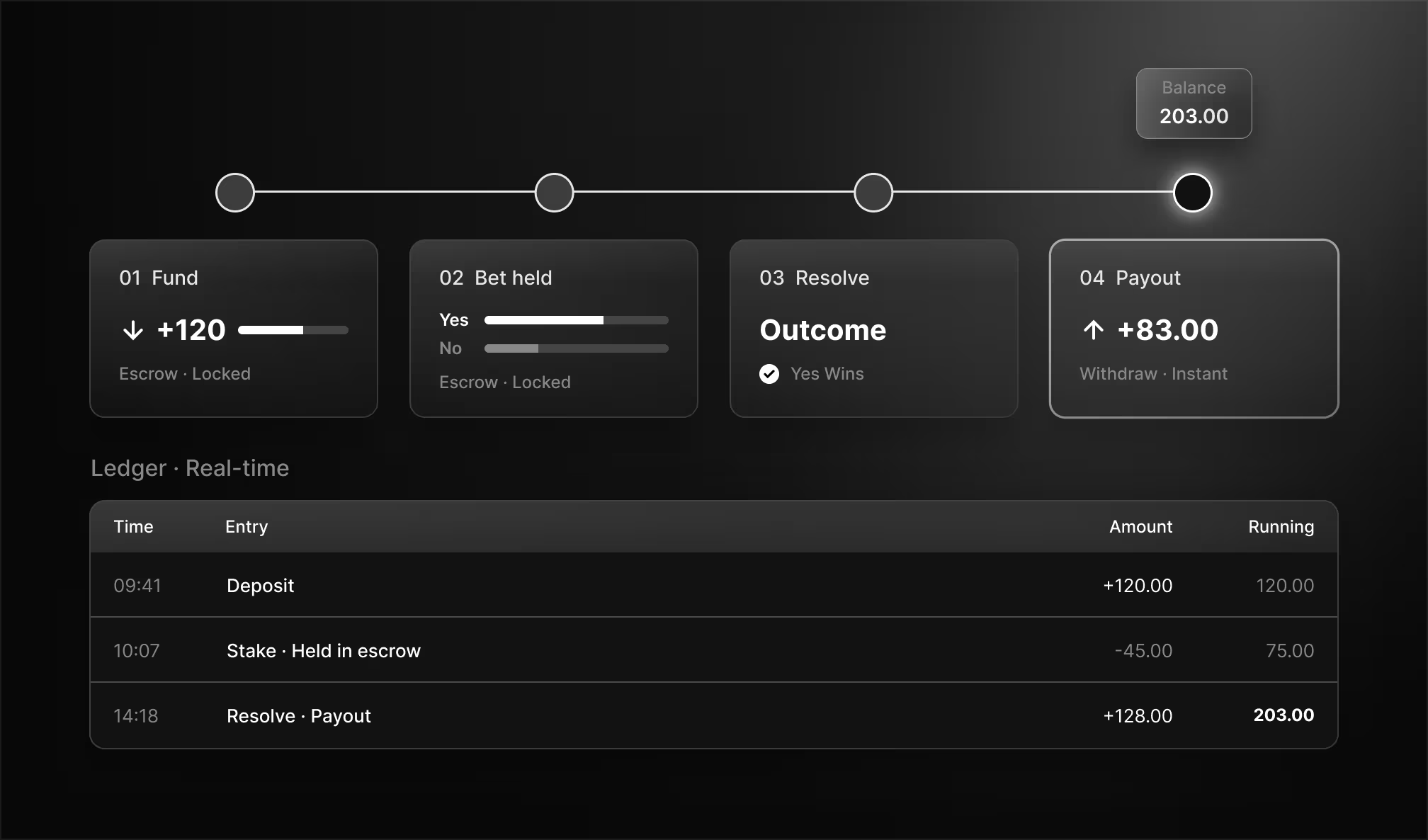
فكر فيما يجب أن يحدث لإتمام معاملة واحدة فقط: أنت تضع المال في حساب، ويبقى هذا الرصيد هناك بينما يتكشف الحدث الذي راهنت عليه، وهو ما قد يستغرق دقائق أو شهوراً. وعند ظهور النتيجة، يرتفع رصيدك إذا ربحت وينخفض إذا خسرت، وتريد سحب أموالك بسرعة. اضرب هذا في مئات الآلاف من الأشخاص الذين يمولون حساباتهم، ويضعون رهاناتهم، ويسحبون أرباحهم في أوقات مختلفة، وستدرك المشكلة الجوهرية التي تحلها هذه المنصات فعلياً.
إنها مشكلة إيداع. الأموال تدخل، ويجب الاحتفاظ بها بدقة وأمان، ويجب أن تخرج بسرعة في اللحظة التي يتم فيها حسم الحدث. التوقعات هي ما يلاحظه المستخدمون، لكن الحساب الذي يحتفظ بأموالهم هو ما يجب أن يعمل بشكل مثالي في كل مرة.
هذه هي الطبقة التي تقرر ما إذا كانت المنصة قادرة على النمو. فعند وقوع حدث كبير، يمكن أن يقفز حجم التداول بنسبة 80% في شهر واحد. كل معاملة من هذه المعاملات هي رصيد يجب تتبعه في الوقت الفعلي، ومطابقته مع النتيجة، وصرفه دون أي تأخير. إذا حدث خطأ في ذلك، تفقد المنصة ثقة المستخدمين فوراً، لأن الشيء الوحيد الذي لا يغفره المستخدم هو بطء استرداد الأموال أو عدم دقة الرصيد. يضع المراجعون الذين يقيمون هذه المنصات سرعة وموثوقية عمليات السحب في مقدمة أولوياتهم، قبل عدد الأسواق المتاحة أو قيمة الرسوم.
ما تفعله طبقة الحسابات فعلياً
يحتاج سوق التوقعات إلى نفس اللبنات الأساسية التي يحتاجها بنك الادخار. يجب أن يفتح حساباً في أقل من دقيقة، لأن المستخدم الذي لا يستطيع التمويل والبدء بسرعة سيتراجع. يجب أن يتتبع كل رصيد في اللحظة التي يتغير فيها، لأن المعاملة المحسومة تُصرف فوراً ولا مجال لانتظار جرد نهاية اليوم. يجب أن يتعامل مع أكثر من عملة في وقت واحد، لأن الأموال المودعة بشكل معين والتي تتم تسويتها بشكل آخر ليست سوى وجهين لنفس الرصيد. ويجب أن يحتفظ بسجل كامل وغير قابل للتلاعب لكل حركة، لأن أي جهة تحتفظ بأموال العملاء يجب أن تثبت مكان وجودها.
الاحتفاظ بالأرصدة بهذه الطريقة هو ما صُمم من أجله برمجيات إدارة الإيداعات : إدارة دورة حياة منتج الإيداع من البداية إلى النهاية، بدءاً من إنشاء الحساب وتتبع الرصيد في الوقت الفعلي، وصولاً إلى استحقاق الفوائد وضوابط الامتثال المتعلقة بأموال العملاء. تدعم البنية التحتية نفسها حسابات التوفير، والودائع لأجل، والودائع تحت الطلب، مع تحديث الأرصدة في اللحظة التي تتحرك فيها الأموال بدلاً من انتظار المعالجة الليلية. لا تبيع منصة سوق التوقعات حساب توفير، لكنها تحتاج إلى كل ما يقع تحت مظلته تقريباً: سرعة التسجيل، التحديث الفوري، أرصدة متعددة العملات، وسجل تدقيق لكل دولار.
معظم المنصات لا تنجح في ذلك من المرة الأولى، والمنصات المبكرة لم تصمد. الموجة الأولى من أسواق التوقعات قبل عقد من الزمن أجبرت المستخدمين على إدارة إعداداتهم التقنية بأنفسهم، وكانت المعاملة الواحدة قد تكلف أكثر من 50 دولاراً أمريكياً كرسوم خلال فترات الذروة. كانت فكرة التوقعات جيدة، لكن تمويل الحساب والحصول على الأرباح كان أمراً شاقاً لدرجة أن المستخدمين لم يعودوا. المنصات التي نجحت فعلت ذلك من خلال إخفاء التعقيدات التقنية: التسجيل في حوالي دقيقة، وجعل رسوم المعاملات غير مرئية للمستخدم.
لماذا يهم هذا الأمر خارج نطاق التوقعات
ينطبق هذا الدرس على أي شيء يحتفظ بأموال العملاء؛ سواء كانت محفظة رقمية، أو تطبيق ادخار، أو شركة وساطة، أو برنامج ولاء برصيد نقدي. المنتج الذي يتحدث عنه الناس يظهر في الواجهة، لكن الشيء الذي يجب أن يعمل بكفاءة هو الحساب في الخلفية: فتحه بسرعة، تتبعه في الوقت الفعلي، الاحتفاظ به بأمان، صرفه عند الطلب، والحفاظ على سجل نظيف طوال الوقت.
لقد لاحظ المستثمرون الجادون ذلك بالفعل. ففي النصف الأول من عام 2026، كانت أسواق التوقعات هي الفئة الأكثر تمويلاً في مجال العملات المشفرة، حيث جذبت 1.85 مليار دولار أمريكي من أصل 7.1 مليار دولار أمريكي تم جمعها عبر الفئات العشر الأولى. هذا رأس المال لا يشتري رياضيات توقعات أفضل، بل يشتري القدرة على الاحتفاظ بمئات الآلاف من الحسابات وتسوية مليارات الدولارات من حجم التداول، بسرعة وبدقة كافيتين لإرضاء كل من المستخدمين والجهات التنظيمية.
التوقعات هي ما يتحدث عنه الجميع، لكن الحساب هو ما يجب أن يظل ثابتاً.